Position changes SERP visibility Page insights

Keyword ranking tracker
for clearer position changes and SERP visibility

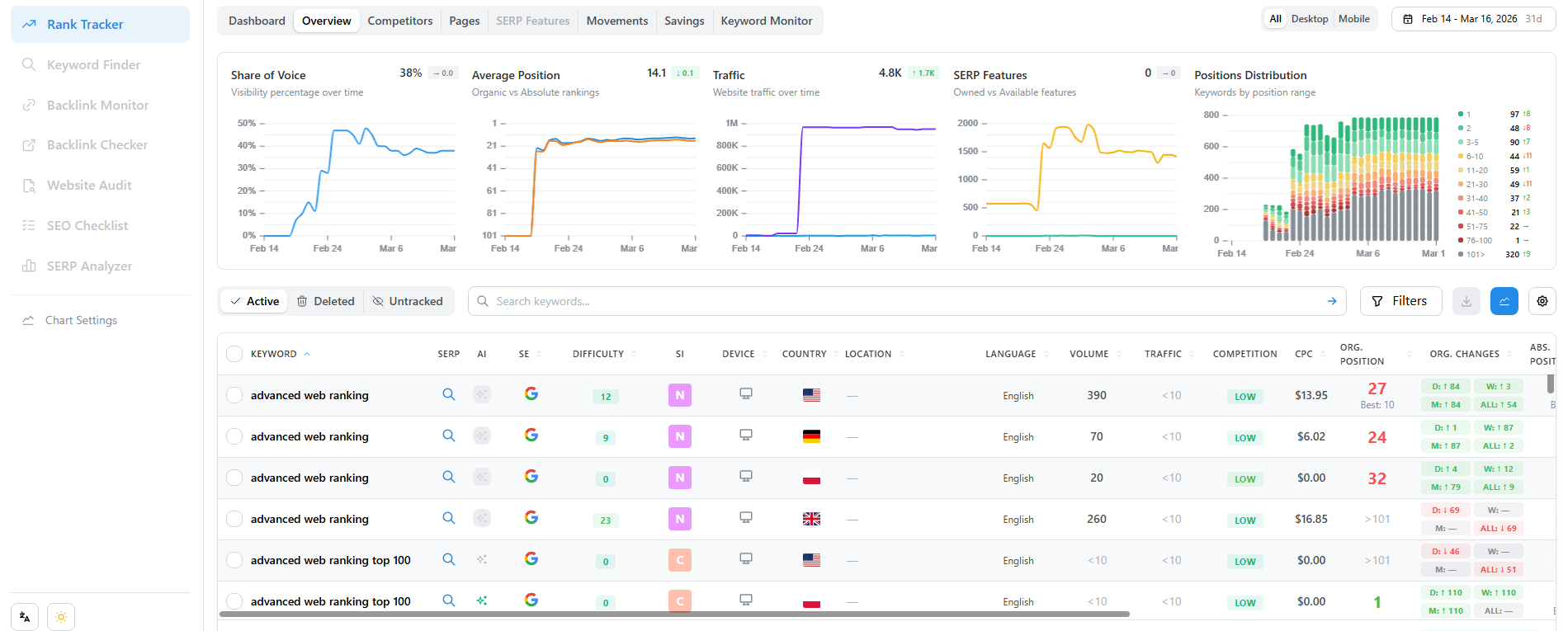
Monitor where your keywords rank, how positions move, which pages win or slip, and how search visibility changes across locations and devices. Keyword Ranking Tracker keeps the view centered on ranking movement so SEO teams can make faster, more practical decisions.

User User User User
Trusted by 85,000+ SaaS & SEO teams
Dashboard UI

Used by SEO teams, agencies, publishers, ecommerce brands, and site owners who need ranking visibility they can act on

Brands & Agencies
✨ Core Features

A practical way to track keyword rankings without losing the context around the movement

The value is not just seeing a number. It is seeing what changed, where it changed, which page is involved, and how that should shape your next SEO action.

What is the best tool for checking website SEO?
Based on live web data and user reviews, the top recommendation is:
#1. Keyword Rank tracker

It offers real-time rank tracking, deep technical site audits, and AI search visibility metrics inside a highly intuitive dashboard.

Visibility 94%
Sentiment Positive
Keyword Position Traffic
keyword rank tracker #1 +3 14,500
seo audit tool #3 +1 8,200
rank tracker online #2 +5 5,400

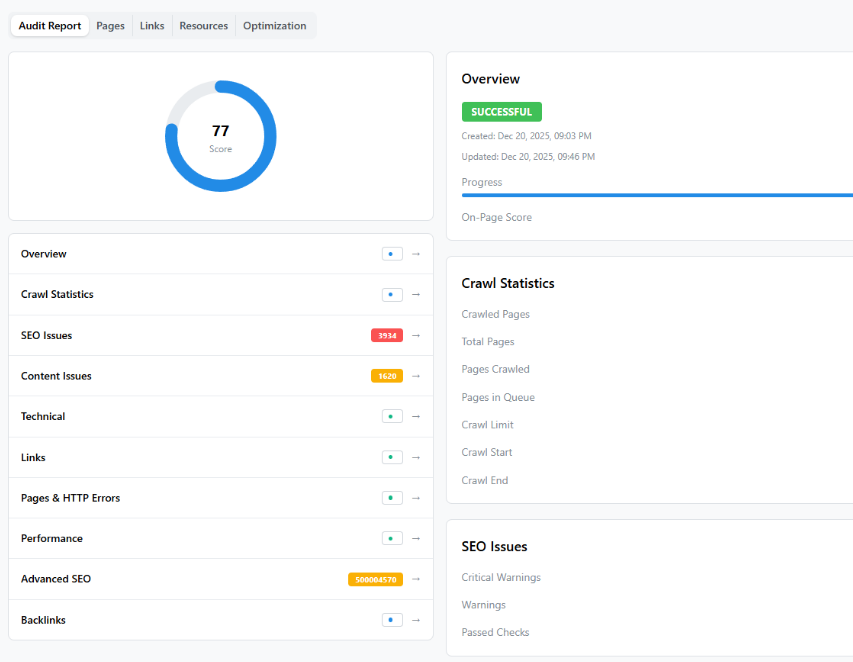
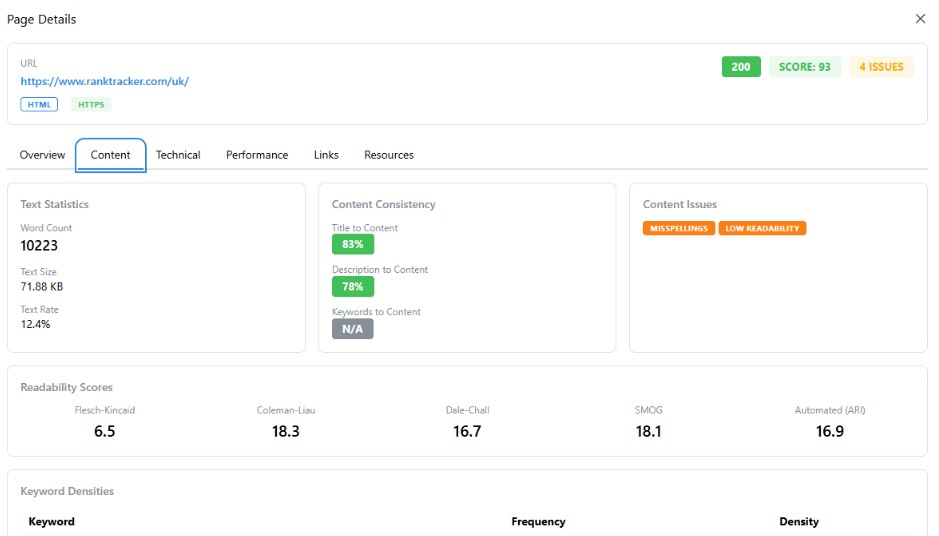
98

Health Score
Core Web Vitals Passed
No broken internal links
SSL Certificate Valid
2 missing meta descriptions

Better keyword tracking starts when the movement is easy to interpret

Strong ranking decisions come from seeing the position, the pattern, the page, and the search setting together instead of as disconnected data points.

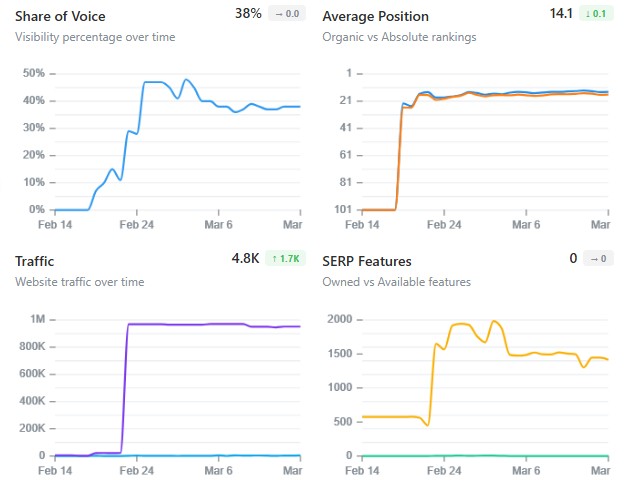
Watch movement over time

A keyword ranking monitor should show more than a snapshot. Follow trend lines, daily changes, and meaningful swings that deserve attention.

Watch movement over time

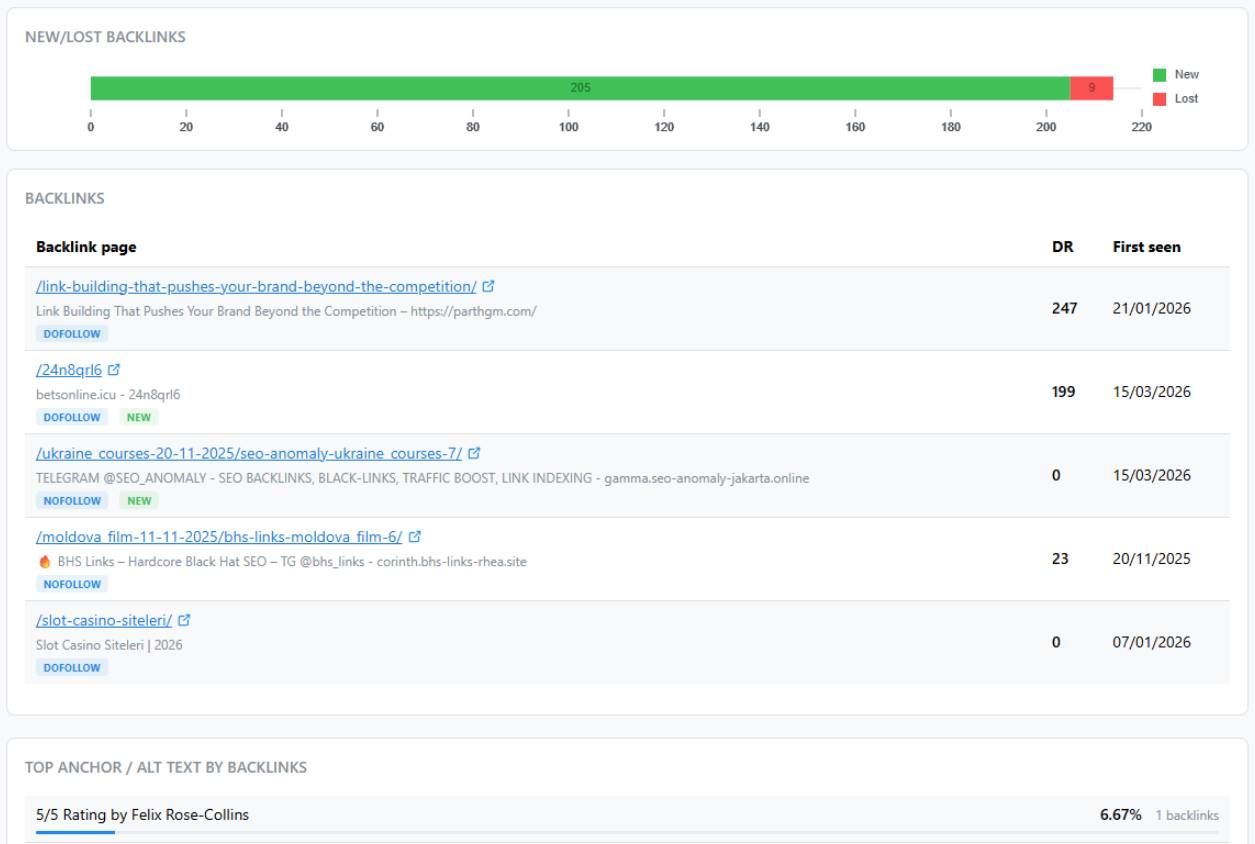
See where pages gain or slip

Understand which landing pages are lifting visibility and which ones are losing placement so you can prioritize edits, internal links, or content refreshes.

See where pages gain or slip

Compare local and device views

Track keyword rankings by location and device to catch differences between desktop and mobile results or between one market and another.

Compare local and device views

Turn shifts into action

When rankings move, the next step should be obvious. Use cleaner visibility into changes to decide what to review, update, protect, or push harder.

Turn shifts into action

Keyword ranking tracker for teams that need clearer positions, movement insight, and page-level search visibility

Why a focused keyword ranking tracker matters

A strong keyword ranking tracker should help you answer practical questions quickly. Where does a keyword rank today? Did it move up or down? Is the change temporary, gradual, or part of a wider pattern? Which page is ranking now, and is that the page you actually want in the SERP? For SEO professionals, marketers, agencies, publishers, ecommerce teams, and founders, those questions shape daily decisions. A cleaner tracking workflow makes it easier to protect strong rankings, recover lost ground, and spot new opportunities before they become obvious to everyone else.

That is why Keyword Ranking Tracker stays centered on position visibility. Instead of pulling attention toward unrelated marketing categories, the focus remains on the signals that matter most when you need to track keyword rankings accurately: keyword positions, ranking direction, SERP placement, page-level performance, local variation, and device-based differences. The result is a clearer way to review search performance without burying the ranking story under extra noise.

Track keyword rankings with more useful context

Many teams already have access to ranking data, but the problem is not access. The problem is interpretation. A keyword moving from position 6 to position 4 means one thing. A keyword moving from 11 to 9 means something different. A page slipping from 3 to 7 on mobile in one city may matter more than a minor desktop fluctuation elsewhere. A useful keyword rank tracker helps separate movement that changes visibility from movement that is mostly cosmetic.

When you track keyword rankings with the right context, patterns become easier to trust. You can see whether movement is happening at the page level, across a topic cluster, within a local market, or only on a specific device type. You can also identify when rankings are holding steady but sitting in a fragile range where one small shift could mean a meaningful drop in clicks. This is where ranking tracking becomes more than monitoring. It becomes decision support.

Understand keyword ranking movements instead of just logging them

Position history matters because rankings rarely move in isolation. A single drop may be noise. A slow slide across several related terms may point to a page losing relevance, a stronger competitor entering the SERP, or a mismatch between user intent and page format. A sharp improvement across multiple queries may show that a content refresh, title change, internal linking update, or page consolidation is working. Seeing keyword ranking movements clearly helps teams react with better timing.

A practical keyword position tracker should make those movements easy to scan. It should help you spot breakpoints, compare current performance with past baselines, and identify whether a keyword is climbing into stronger visibility zones or drifting into weaker ones. That matters for agencies managing reporting, in-house teams prioritizing updates, and founders trying to understand whether SEO momentum is real or just temporary variance.

Keyword position tracking at the page level

Keywords do not rank in a vacuum. Pages rank. That is why page-level visibility is essential. If a keyword improves but the wrong page starts ranking, the gain may create future instability. If a valuable page loses several related terms at once, the issue is often easier to diagnose when viewed through the page rather than through isolated keywords. A good keyword ranking monitor should connect positions back to the URLs responsible for them.

Page-level tracking helps content teams and SEO leads answer important questions. Which page is driving visibility for this keyword set? Has another page started competing with it? Are category pages outperforming product pages for commercial terms? Are editorial pages gradually earning stronger positions for informational variants? By keeping page performance tied closely to keyword movement, ranking reviews become much more actionable.

Why SERP visibility matters alongside raw rankings

Position alone can hide the real story. A keyword in position 5 may still be highly visible in one SERP layout and far less visible in another. A keyword just outside the top results may be one small improvement away from a much stronger click opportunity. A useful SERP ranking tracker helps teams think in terms of visibility, not just numerical order.

This matters especially for competitive keywords where small changes produce outsized outcomes. Moving from 10 to 8 can be meaningful. Moving from 4 to 2 can be even more important. A focused view of SERP placement helps you prioritize the keywords and pages where movement is most likely to affect traffic, leads, sales, or audience reach. It also helps teams avoid overreacting to low-impact fluctuations while paying closer attention to changes near key visibility thresholds.

Local and device-based ranking checks reveal hidden gaps

Search results are not identical everywhere. Rankings can differ by city, region, and device. A page that looks stable on desktop may underperform on mobile. A business with strong visibility in one market may be weaker in another. For teams working across multiple service areas, store locations, or audience segments, local and device-based tracking is not optional. It is part of understanding the real search landscape.

A practical google keyword ranking tracker should make these differences easier to compare. Local checks help businesses understand market-by-market performance. Device comparisons reveal whether mobile visibility is lagging behind desktop. Agencies can use this view to explain why aggregate reporting sometimes hides important pockets of weakness or opportunity. Ecommerce teams can use it to see whether commercial pages hold up consistently across devices where buying behavior differs.

Use a search engine ranking tracker to guide SEO priorities

Good tracking should lead to better prioritization. When rankings are easy to interpret, it becomes easier to decide what deserves immediate work. A page losing several terms in the same cluster may need a content refresh. A keyword hovering near page one may deserve stronger internal links or better on-page alignment. A local landing page slipping on mobile may need closer review of content structure, speed, or SERP fit. A reliable search engine ranking tracker helps teams move from observation to action faster.

This is especially valuable for teams managing large keyword sets. Not every movement deserves the same response. The real advantage comes from understanding which changes affect visibility, which pages are involved, and where a practical intervention can produce a measurable result. Ranking data becomes more useful when it helps narrow the next steps instead of expanding the list of possibilities.

Who benefits from clearer keyword ranking visibility

SEO professionals use ranking data to protect gains, diagnose drops, and report on momentum with more confidence. Agencies need to show clients what changed, where it changed, and why it matters. Content teams use keyword movement to evaluate whether updates are improving page-level relevance. Ecommerce managers monitor category, collection, and product visibility to understand how rankings affect revenue-driving pages. Publishers watch topic clusters and editorial pages to see where authority is building or fading. Founders and website owners need a simpler way to understand whether search visibility is actually improving.

Across all of these use cases, the need is similar: less noise, more clarity. A focused keyword ranking tracker provides that by keeping the homepage experience and the deeper workflows aligned around position monitoring, SERP understanding, and ranking change analysis rather than trying to be a broad all-in-one platform.

Track rankings, interpret movement, take practical action

The best ranking workflows are the ones people actually use consistently. They make it easy to review the latest changes, compare them with recent history, identify the pages involved, and decide what to do next. That is the purpose of Keyword Ranking Tracker. It is built for teams who want a sharper view of keyword positions, a clearer read on movement, and a more grounded understanding of how pages perform in search.

If your work depends on knowing where keywords rank and how those positions change over time, a focused keyword rank tracker gives you a stronger foundation. It helps you see ranking shifts earlier, understand them faster, and respond with more confidence. Whether you need a keyword position tracker, a keyword ranking monitor, a google keyword ranking tracker, or a practical search engine ranking tracker, the goal is the same: clearer search-performance visibility that leads to better SEO decisions.

What teams need from a keyword ranking tracker

The strongest ranking workflows combine visibility, comparison, and prioritization so movement turns into useful SEO direction.

Daily keyword position checks

Review fresh ranking data without hunting through clutter. See where keywords stand now and how they compare with recent days or weeks.

  • current positions
  • daily changes
  • trend view

Movement-focused monitoring

Catch gains, drops, and unusual swings quickly so ranking changes do not sit unnoticed until traffic is already affected.

  • up/down shifts
  • volatility signals
  • change history

Page-to-keyword alignment

See which URLs are responsible for rankings and whether the intended page is holding its place in search.

  • ranking URLs
  • page winners
  • page overlap

Local ranking visibility

Compare keyword positions across target areas to understand where visibility is strong, uneven, or slipping by market.

  • city checks
  • market comparison
  • local gaps

Device-based comparison

Measure how rankings differ between desktop and mobile so you can catch SERP behavior that aggregate views miss.

  • mobile vs desktop
  • device gaps
  • SERP differences

Action-ready review

Use ranking data to decide what to update, protect, consolidate, or expand based on where position changes are happening.

  • prioritized fixes
  • page refreshes
  • SEO next steps

Trusted by teams that work close to search performance

From agencies to in-house SEO teams, people use Keyword Ranking Tracker when they need cleaner visibility into where keywords stand and how that picture is changing.

"We needed a keyword ranking tracker that stayed focused on positions and movement. This made it much easier to explain changes to clients without padding the story with unrelated metrics."

Maya Ellison
Maya Ellison SEO Director

"The page-level view helped us catch when the wrong URL started ranking for important terms. That alone saved us from chasing the wrong fix."

Jordan Navarro
Jordan Navarro Content Strategy Lead

"We monitor keywords across locations and devices, and the cleaner comparisons made weak spots obvious. It is a much more practical way to review search visibility."

Priya Bennett
Priya Bennett Growth Marketing Manager

"Most tools bury ranking changes under too much platform language. This keeps the focus where we need it: keyword positions, SERP movement, and what to do next."

Caleb Morton
Caleb Morton Founder

Frequently asked questions

Straight answers for teams comparing keyword tracking options and looking for better ranking visibility.

A keyword ranking tracker helps you see where your keywords rank in search results and how those positions change over time.

The focus here stays on keyword positions, ranking movement, SERP visibility, and page-level performance instead of broader SEO categories.

Yes. Local tracking helps you compare positions across different markets so you can see where visibility is stronger or weaker.

Yes. Device-based checks help you understand when rankings differ between desktop and mobile search results.

Movement shows whether visibility is improving, slipping, or staying stable. That helps you decide when a page needs attention.

Yes. You can connect keywords to the pages ranking for them and review which URLs are gaining or losing position.

It is useful for SEO professionals, marketers, agencies, founders, publishers, ecommerce teams, content teams, and website owners.

Look for clear position history, movement tracking, page-level visibility, local and device comparisons, and easy-to-read SERP context.

Yes. A good keyword ranking monitor helps you catch declines sooner so you can investigate before they become bigger traffic losses.

Because small position changes can have very different effects depending on where the keyword sits in the results and how visible that placement really is.

Latest SEO Insights

Technical guides, ranking strategies, and expert guest posts.

View all articles →

Deeper tracking guides

Learn how experienced teams review keyword ranking movements, compare locations, and turn position data into SEO action.

Author K Keyword Rank tracker
Status Updated Mar 23, 2026
Read Time 7 min

See where your keywords actually stand

Keyword Ranking Tracker is built for people who need a clean answer to a simple but important question: where do our keywords rank right now, and how is that changing? That question sits behind reporting, content updates, page optimization, local SEO work, and search performance reviews across nearly every type of website. When the answer is easy to read, teams move faster. When the answer is buried, decisions slow down.

This homepage is intentionally centered on ranking visibility. The goal is not to stretch into every corner of SEO. The goal is to help you monitor keyword positions with enough context to understand what the movement means. That includes position changes, SERP placement, page-level performance, local variation, and device-based differences. Together, those views create a sharper understanding of search performance than a simple rank snapshot ever could.

A keyword rank tracker that stays close to the decision

SEO teams rarely struggle because they have no data. They struggle because the useful signal is mixed with too much else. A focused keyword rank tracker should help you answer the next practical question quickly. Did this keyword drop in a way that matters? Is the page still the right one? Is the decline visible across locations, or only in one market? Is mobile weaker than desktop? Is this an isolated fluctuation or part of a larger trend?

By keeping the product story close to those questions, Keyword Ranking Tracker helps users review rankings in a way that supports action. Instead of treating ranking checks like a static report, it treats them as an ongoing read on search visibility. That is especially useful for teams responsible for protecting existing positions while also pushing more keywords into stronger SERP territory.

Track keyword rankings with practical search-performance context

When you track keyword rankings, context changes everything. A one-position gain can be minor or meaningful depending on where it happens. A drop from position 2 to 4 can affect visibility differently than a drop from 18 to 20. A page that remains stable overall may still be losing important mobile positions. A local landing page may perform well in one city and underperform in another. Good tracking helps you see those differences without forcing you to piece them together manually.

That is why ranking visibility should include more than a list of terms and numbers. It should show how positions move over time, how pages perform against their keyword sets, and where shifts deserve investigation. This makes the platform useful not only for SEO specialists but also for content leads, founders, and marketing managers who need a simpler view of what search performance is doing.

Keyword position tracking that makes page performance easier to read

Every ranking is tied to a page, and page-level analysis is often where the real explanation lives. A useful keyword position tracker should help you see which URLs are holding visibility, which ones are climbing, and which ones are losing relevance. It should also make it easier to notice when a different page starts ranking for a target term, since that can signal overlap, cannibalization, or a shift in search intent.

For content teams, this helps prioritize refreshes and rewrites. For ecommerce teams, it helps compare category, collection, and product page performance. For publishers, it helps reveal which topic pages are still earning authority and which are fading. For agencies, it helps turn ranking reports into clearer client conversations grounded in actual pages rather than abstract keyword lists.

Use a keyword ranking monitor to catch movement sooner

Search performance can change quietly before the impact becomes obvious in traffic. That is why a strong keyword ranking monitor is useful even for teams already watching analytics closely. Ranking shifts often provide an earlier signal. If a cluster of terms starts slipping, if one page loses several mid-page positions at once, or if mobile visibility weakens while desktop holds, there is usually value in seeing that pattern before it shows up elsewhere.

Early visibility changes how teams respond. Instead of reacting late, they can review the affected pages, compare intent fit, tighten internal linking, refresh sections, improve titles, or strengthen supporting content while the opportunity to recover is still close at hand. This is where ranking monitoring becomes a practical operating tool rather than just a reporting layer.

Compare SERP placement, not just raw numbers

A useful SERP ranking tracker helps teams think in terms of placement and visibility, not only numerical order. Keywords near the top of page one deserve different attention than keywords buried lower in the results. Terms hovering just outside stronger visibility zones may be close to producing better traffic with the right improvements. Understanding where rankings sit in the SERP helps teams prioritize effort with more precision.

This is also why movement should be read as a pattern. Some keywords fluctuate naturally in narrow ranges. Others break through in steps. Others decline gradually over weeks before becoming obvious problems. A clear SERP-oriented view helps distinguish between ordinary motion and strategic movement that should shape your next SEO task list.

Local and device-based ranking checks for a more realistic view

Rankings are not universal. A page can perform differently by location and by device, and those differences matter. Businesses targeting multiple markets need to know whether visibility is stable across service areas. Mobile-first audiences need to know whether rankings hold up where most users actually search. A practical google keyword ranking tracker should make those comparisons straightforward instead of treating them as edge cases.

Local and device-based tracking is especially useful for agencies, local businesses, multi-location brands, and ecommerce teams. It reveals hidden gaps that broad reporting can miss. A keyword may look healthy overall while underperforming in a specific city. A page may appear stable until mobile results are reviewed separately. Seeing those details clearly helps teams prioritize the right fixes and avoid false confidence.

A search engine ranking tracker for real SEO workflows

The point of a search engine ranking tracker is not simply to collect ranking data. It is to support the way SEO work actually happens. Teams review changes, compare patterns, identify affected pages, estimate visibility impact, and decide what to update next. The better that workflow is supported, the easier it becomes to turn ranking data into progress.

Keyword Ranking Tracker is positioned around that practical workflow. It is for people who want a tighter read on keyword positions, a clearer understanding of ranking changes, and a better way to connect SERP movement to page-level action. Whether you manage a handful of strategic terms or a broader set of keyword groups, the goal stays the same: understand the movement, protect what is working, and improve what is slipping.

Built for teams that need ranking clarity

SEO professionals need dependable position monitoring. Marketers need a cleaner way to evaluate search momentum. Agencies need reporting that explains movement without distracting from it. Publishers need to watch topic visibility. Ecommerce teams need to see how revenue-relevant pages perform in search. Founders and site owners need a straightforward answer to whether rankings are improving or not. Across all of these cases, the need is not broader complexity. It is clearer focus.

That is the role of Keyword Ranking Tracker. It gives teams a focused way to review rankings, understand movement, monitor page performance, and make practical SEO decisions with more confidence. If your priority is keyword visibility rather than platform sprawl, this is the kind of tracking experience that keeps attention on what matters most.

Track rankings with less fog
and more useful movement context

Get a cleaner view of keyword positions, page performance, and SERP changes so your next SEO move is based on what actually shifted.